For both do-it-yourself homeowner initiatives and many commercial construction projects, corrugated polycarbonate is the material of choice.
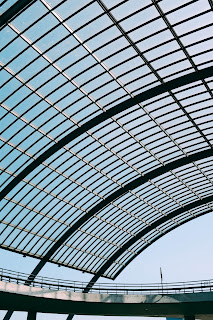
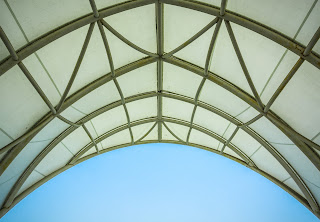
Corrugated polycarbonate offers excellent strength, flexibility, weatherability, and light transmission while being lightweight and rigid. It is recommended as a non-corrosive industrial structural solution for roofing and cladding, as it tolerates significant impacts and performs well over a wide temperature range.
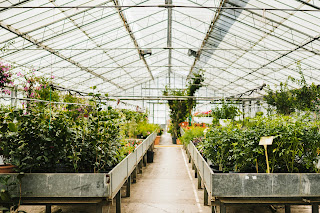
Because of its strength and ability to transmit light, it is often used in greenhouse construction. In addition, it has a long service life and withstands high temperatures without degrading, so it does not need to be replaced as frequently as other materials.
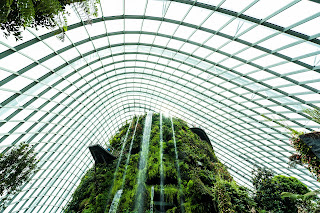
Wherever internal lighting depends on an external source, polycarbonate corrugated roofing panels can be used. Due to its ability to be utilized for partition walls and ability to produce a consistent lighting surface, it is also a preferred material for outdoor shelters, garden sheds, and storage structures.
These honeycombs are the ideal choice for many applications as they are virtually indestructible, UV resistant, convenient to transport, and quick to install. Below are some of the locations where these panels are used:
- Architectural structures.
- Industrial plants.
- Public buildings.
- Skylights.
- Canopies.
- Partition walls.
- Walkways.
- Porches.
- Parking shelters.
- Bus shelters.
For any application where a strong, lightweight material that lets in light but protects from the elements is needed, polycarbonate has proven to be the best choice.